Victoria Swan writes — Quality & Craft
Quality or Quantity: What the Science in Your Glass Actually Cost
In the 1960s, the same science was handed to two industries. Whisky used it to understand what it had and share that understanding with its customers. The answers are still showing up in the glass.
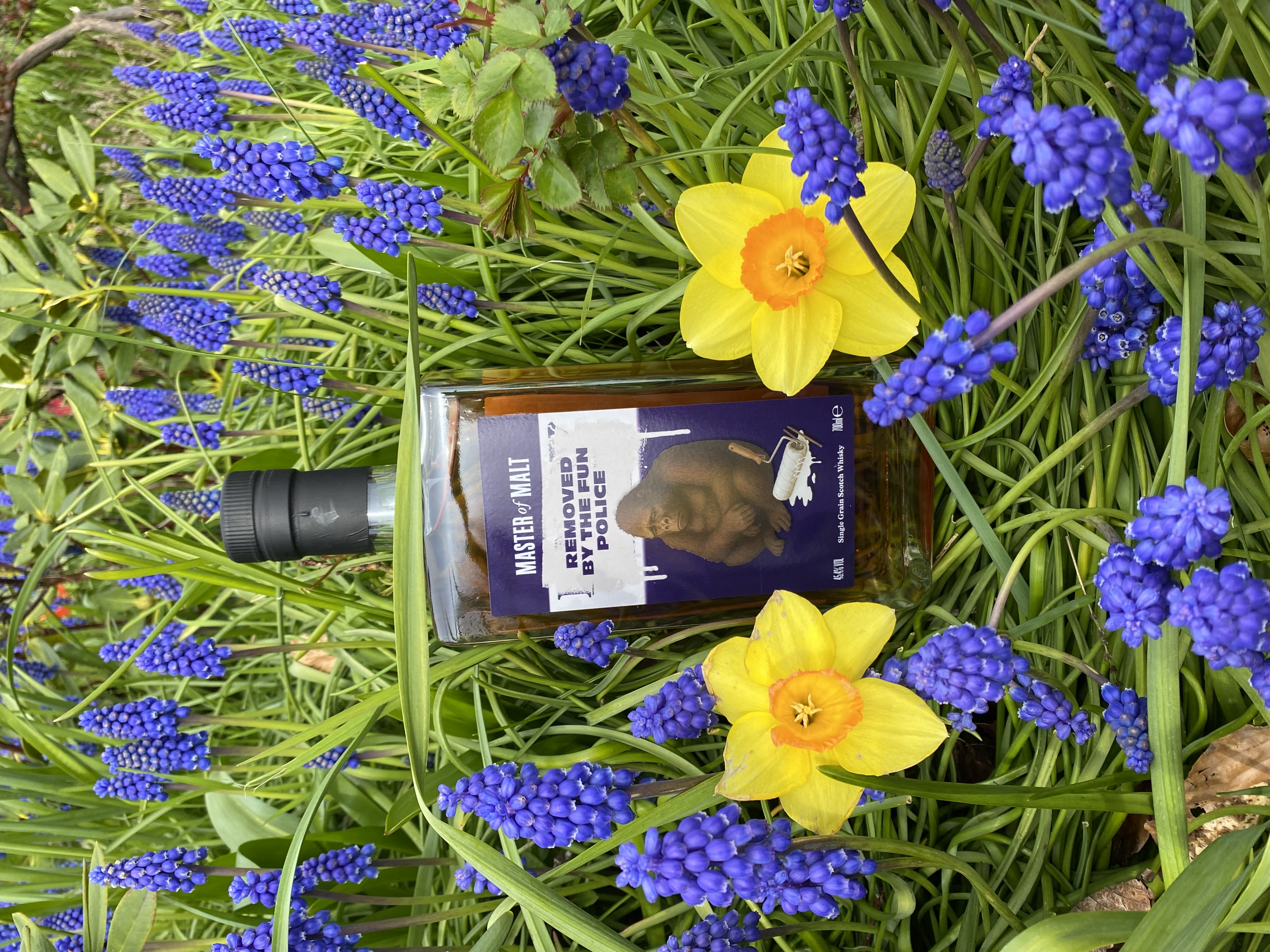
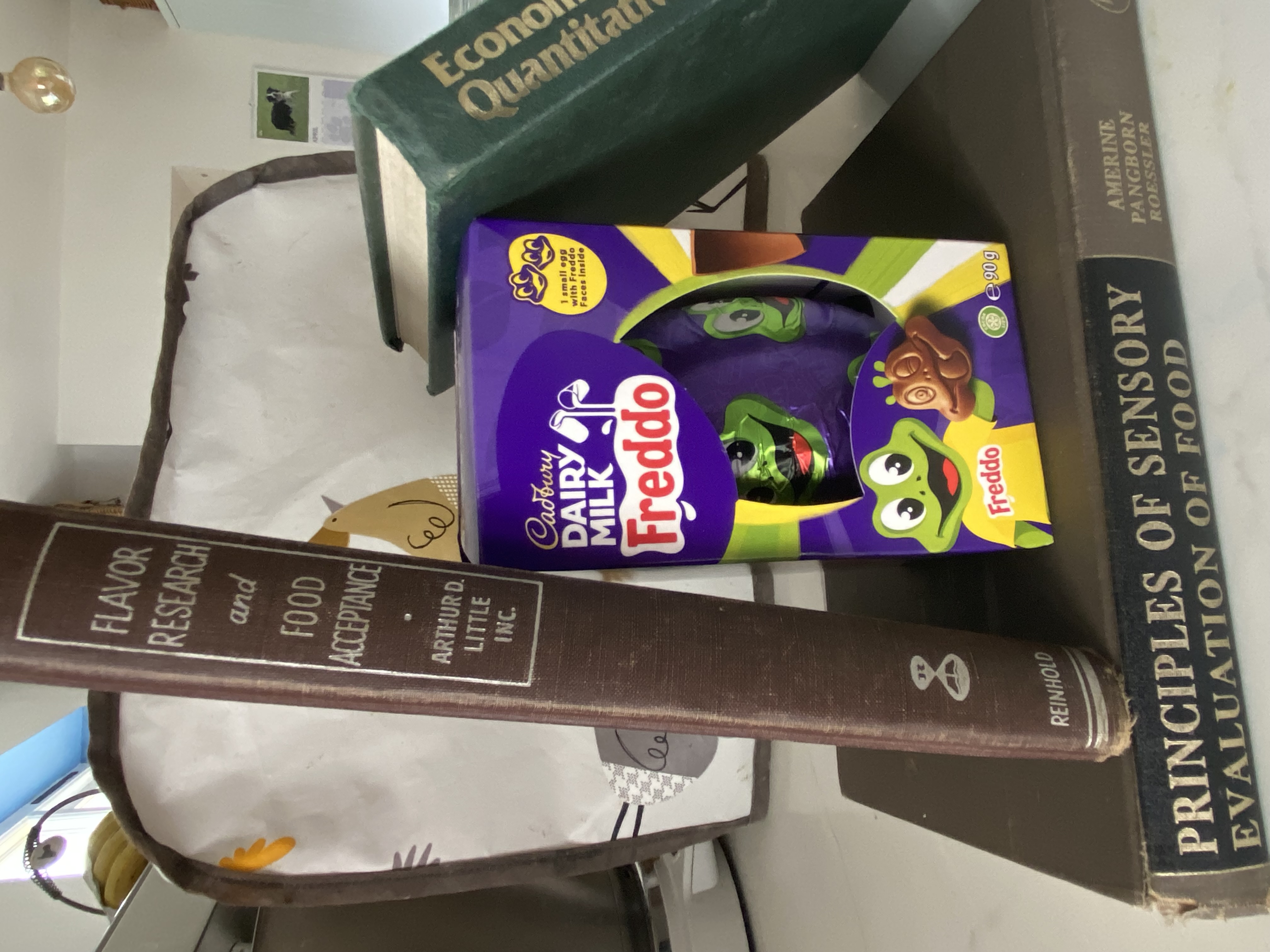
Two images, and between them a story about what happens when an industry decides that quality and customer understanding are worth investing in, and what happens when volume becomes the priority instead. The whisky in the first photograph is sweet, creamy and smooth — about as good as a grain whisky gets — and it arrived at that standard through a commitment that began in the 1960s and has continued in the same direction ever since.
The Science That Arrived in the 1960s
When gas chromatography arrived in the UK in the 1960s, along with scientists who understood what it meant for flavour and smell, it gave industry something it had never had before: the ability to see precisely what was inside a product, to identify the compounds that created flavour and to understand at a chemical level what the palate was experiencing and why. Companies across food and drink set up sensory panels in response — trained tasters working alongside analytical chemists, connecting what instruments detected with what the palate experienced.
From the moment this technology was viable, the Scotch whisky industry adopted both chemical and sensory analysis to understand their product, to maintain quality and to realise its full flavour potential. Crucially, they were working within a framework that the law enforces to this day: Scotch whisky must be produced from natural ingredients only — water, cereal, yeast and oak. No artificial flavourings, no synthetic additives, no shortcuts through chemistry. The flavour has to come from the raw materials and the process, which means that understanding those raw materials and that process is not optional. It is the only route to making it better. Other industries face no such constraint, which is part of what makes the contrast so interesting.
The same analytical tool, handed to different industries, went in very different directions depending on the question asked of it. For the whisky industry, that question was how to understand and protect what made their spirit what it was, working always within those natural boundaries. For some others, the same tool pointed towards a rather different question about how much could be quietly adjusted or substituted without the customer noticing. Those two starting points have produced very different industries in the time since.
An Industry That Chose to Share What It Knew
One of the more interesting things about the whisky industry is not just that it pursued quality but that it chose, quite consistently, to bring its customers along with it. As distillers learned more about the chemistry of fermentation, the influence of different wood species and the way climate affects maturation, they found ways to share that knowledge rather than keeping it proprietary. Tasting notes became richer and more specific. Labels started carrying more information about the cask, the distillery, the process. The vocabulary of whisky — expressions like single malt, cask strength, distillery exclusive — was actively taught to a public that had not previously needed it.
In 1969, Glenfiddich became the first distillery in Scotland to open a dedicated visitor centre, inviting the public in to see exactly how single malt was made. Glenfarclas followed not long after, and others came in the years that followed. The more the industry understood, the more it was prepared to show. This is not a small thing. At a time when much of the processed food and drink industry was moving in the other direction — when ingredient lists were getting longer while the print grew smaller and the language more technical — whisky was actively educating its customers about what they were drinking and why it tasted the way it did.
Whisky made its customers better at appreciating it, and the industry benefited from having customers who cared about the difference.
That relationship between an informed customer and a producer committed to quality tends to be self-reinforcing. People who understand what they are drinking notice when something changes, seek out better examples and talk about what they find. It is not a coincidence that the whisky community online is one of the most engaged and knowledgeable of any food or drink category.
The whisky pictured is Dalry M***, a 16-year-old single grain Scotch from North British Distillery bottled by Atom Brands / Master of Malt. The original release, called Dalry Milk, appeared on April Fools Day 2025 with a label bearing a close resemblance to a certain purple chocolate brand. It sold out within days before being withdrawn at Cadbury’s polite request. This 2026 version is the same whisky, a year older, released again for the anniversary with a more discreet name and a knowing wink. Atom Brands have built their reputation on choosing great liquid first and letting the creativity follow, and this bottling is a good example of both.
A Different Direction
Cadbury had their own long tradition of openness with customers. They welcomed visitors to Bournville from 1879 and built a genuine connection with the people who bought their chocolate over many decades. In 1970, access to the working factory floor was brought to an end as new manufacturing processes made it impractical. Twenty years later, Cadbury World opened on the same site — a purpose-built visitor experience rather than a factory tour, with themed zones, heritage displays and a gift shop telling the story of chocolate and the Cadbury brand. It was well received and became a popular attraction, though it was a rather different proposition from walking the factory floor and watching chocolate actually being made.
Over the same period, the famous glass and a half promise — a specific statement about milk content that had been part of Dairy Milk’s identity since 1928 — gave way to formulations that gradually reduced the cocoa and milk content and increased the proportion of palm oil. Production moved abroad. At the end of 2024, the Royal Warrant held since Queen Victoria was withdrawn. It is worth setting these things alongside each other not to be critical of any particular business decision, but because the contrast with what was happening in the whisky industry over the same decades is genuinely striking.
There is a concept sometimes called the boiled frog — the idea that gradual change is far less likely to prompt a response than sudden change, because each individual step is small enough to seem unremarkable. A sensory panel is an extraordinarily useful tool for understanding what makes a product good, but it can equally be used to understand how much change a customer is likely to accept before noticing. Whether or not that thought ever crossed anyone’s mind at Cadbury, the Freddo frog on the Easter egg packaging makes for an irresistible metaphor. Sitting in the water, cheerfully unaware, getting a little smaller and a little more expensive every year.
Where the Brand Really Lives
The Dalry Milk story is instructive in a rather unexpected way. When Atom Brands released their affectionate tribute in 2025, what Cadbury moved to protect was not the recipe, not the sourcing of the cocoa, not the quality of the ingredients. What required legal defence was the shade of purple on the label and the style of the lettering. Those things — the packaging, the colour, the visual identity — had become the brand's most defensible assets, the things most worth protecting in law.
There is nothing wrong with that, and Cadbury’s legal team handled it with good humour. But it does raise an interesting question about where a brand’s strength actually comes from. A brand that lives primarily in its packaging is in a position that requires constant defence, because packaging can be imitated, parodied and borrowed. A brand that lives in the quality and character of what is inside the bottle is in a much more comfortable position, because that is considerably harder to replicate.
Whisky brands tend to be defended by the liquid. The reputation of a distillery rests on what comes out of it, which means that improving the product and protecting the brand are the same activity rather than separate ones. That is a rather solid foundation to build on, and it is one of the reasons that the whisky industry’s relationship with its customers has remained so robust over so many years. People do not keep coming back because of the label. They come back because of what is in the glass.
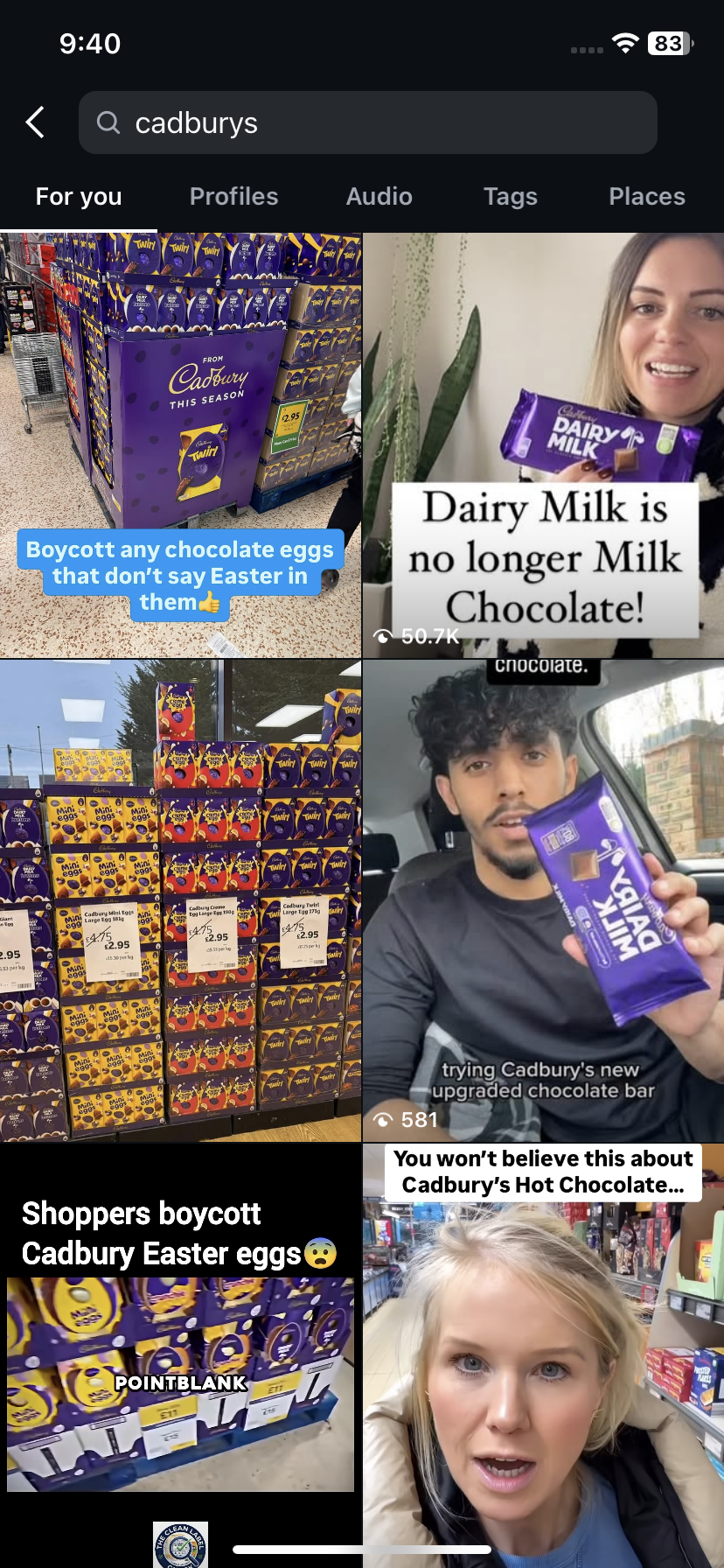
The conversation on Instagram — customers noticing the difference
What It Means to Choose Quality
Making good whisky is not the cheap option. It requires quality grain, carefully managed fermentation, attentive distillation and patient maturation, and doing all of those things well costs more than doing them less carefully. What the whisky industry worked out, through the science of the 1960s and everything that followed it, is that the cost is worth paying because the result is something people genuinely value — and that customers who understand what they are drinking are more valuable than customers who simply consume without thinking.
The North British grain whisky in these photographs is sweet, creamy and smooth, and it got there through the kind of careful production that the science my father worked with throughout his career was designed to support and improve. He believed that understanding your ingredients and your process was the foundation of everything that appeared in the glass, and that sharing that understanding with the people who drank the result was part of the same commitment rather than a separate exercise in marketing.
That approach has built an industry worth being proud of, and one that continues to grow because its customers are engaged, informed and genuinely enthusiastic about what they are drinking. Raising a glass that is, in the end, very good indeed is a rather satisfying place to arrive at.