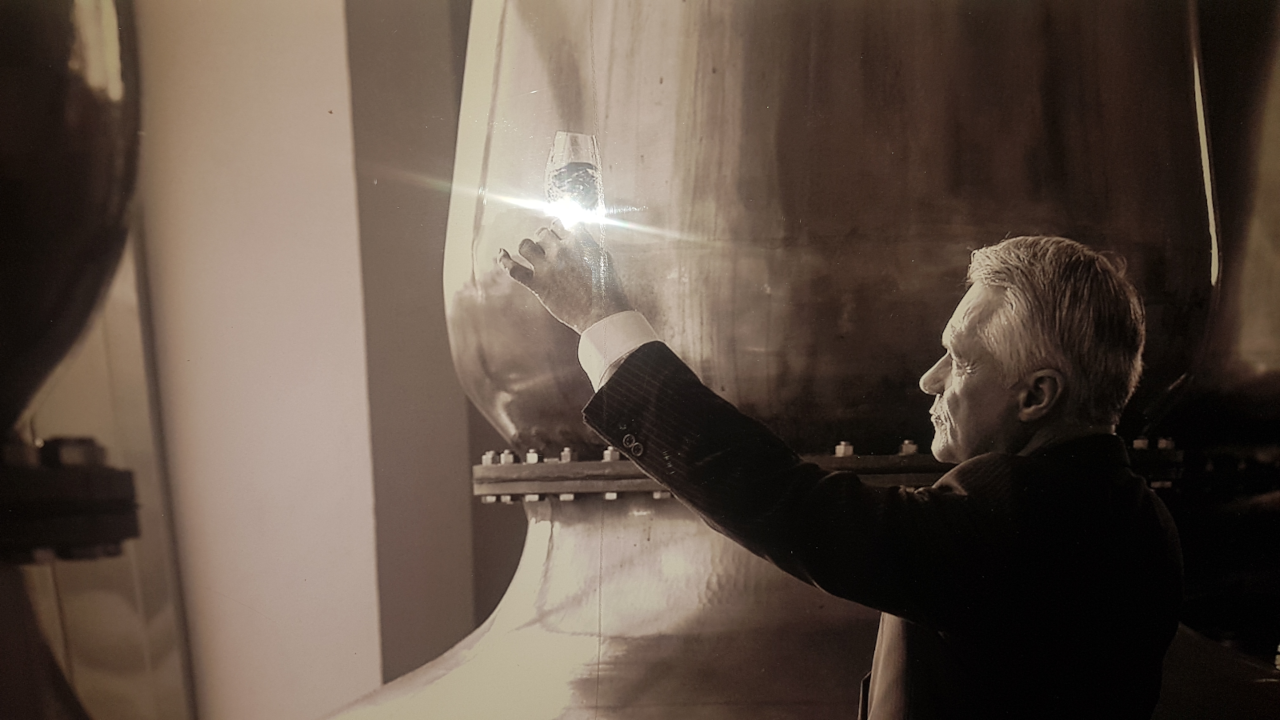
A chemist and sensory expert whose work contributed to the transition of the whisky industry from traditional craft to science-informed production
Over five decades, Dr Jim Swan's work helped establish scientific approaches to modern whisky production. His research and consulting enabled quality single malt production across diverse climates and production environments, contributing to the globalisation of whisky making. Through his combination of analytical chemistry and practical distillery experience, Jim helped integrate scientific understanding with traditional craft knowledge.
Growing up during Scotland's period of modernisation and industrial development, Jim graduated from Heriot-Watt University in Edinburgh with a bachelor's degree in applied chemistry. This was a period when scientific advancement was viewed as key to economic progress.
Scotland experienced considerable change during this time. The Forth Road Bridge had opened in 1964, new power stations were under construction, and infrastructure development supported economic growth. This context of scientific and industrial development informed Jim's approach to whisky science.
Read More →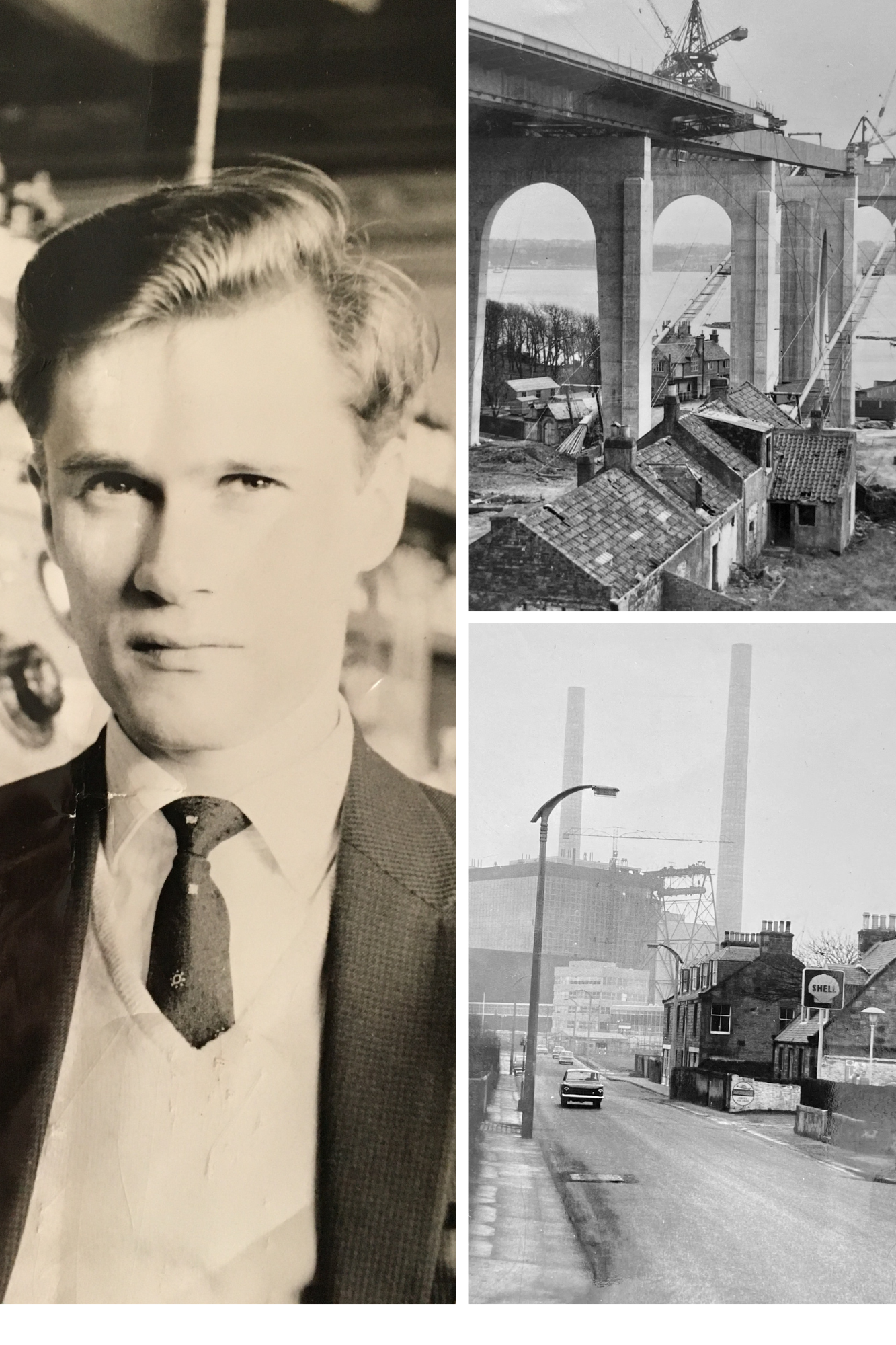
Jim joined the Arthur D. Little consulting firm, working with Gas Chromatography-Mass Spectrometry technology and specialised sensory perception techniques.
Read More →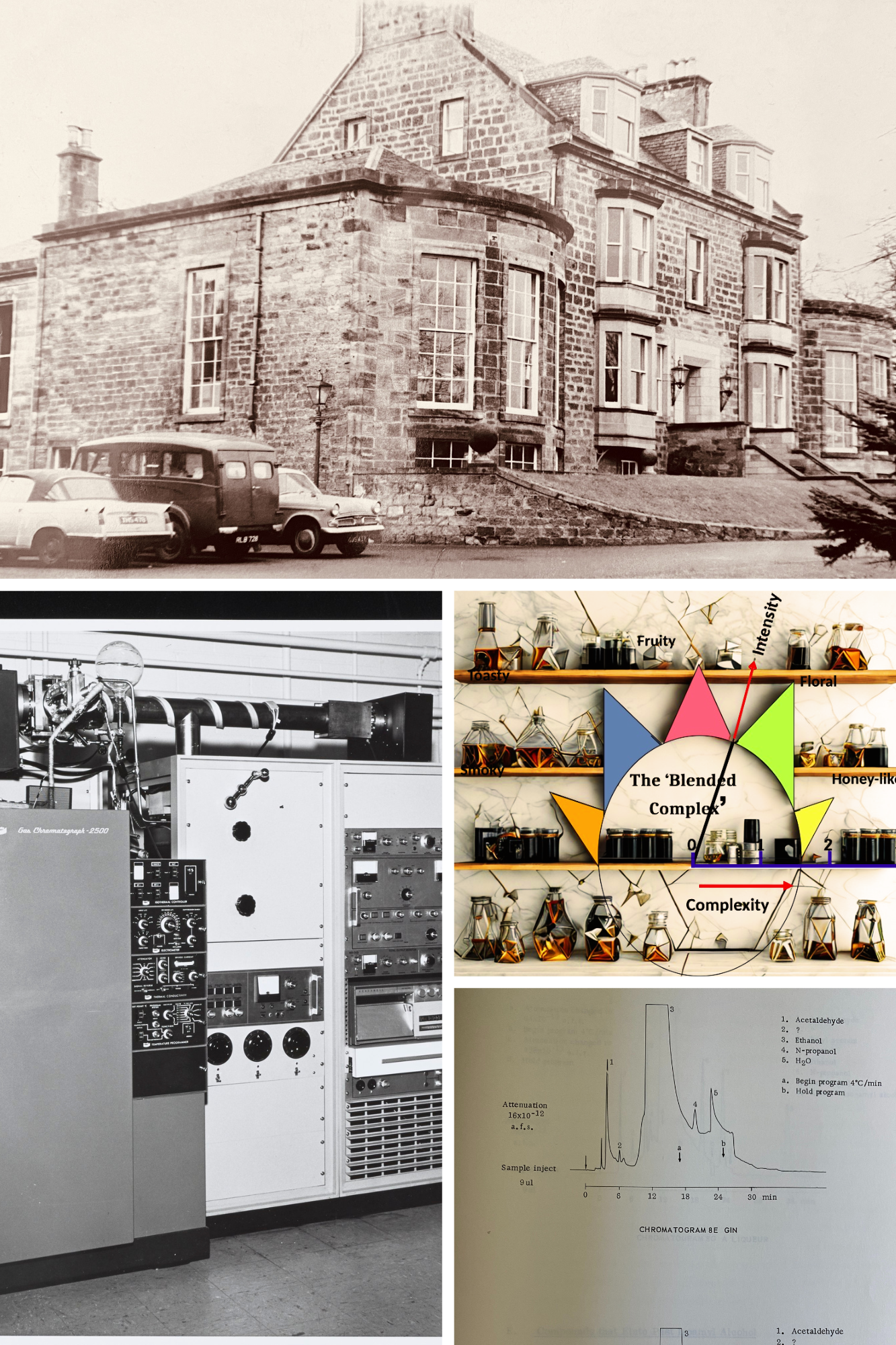
Jim identified the compounds responsible for chill haze, providing the scientific foundation for modern chill filtration techniques.
Read More →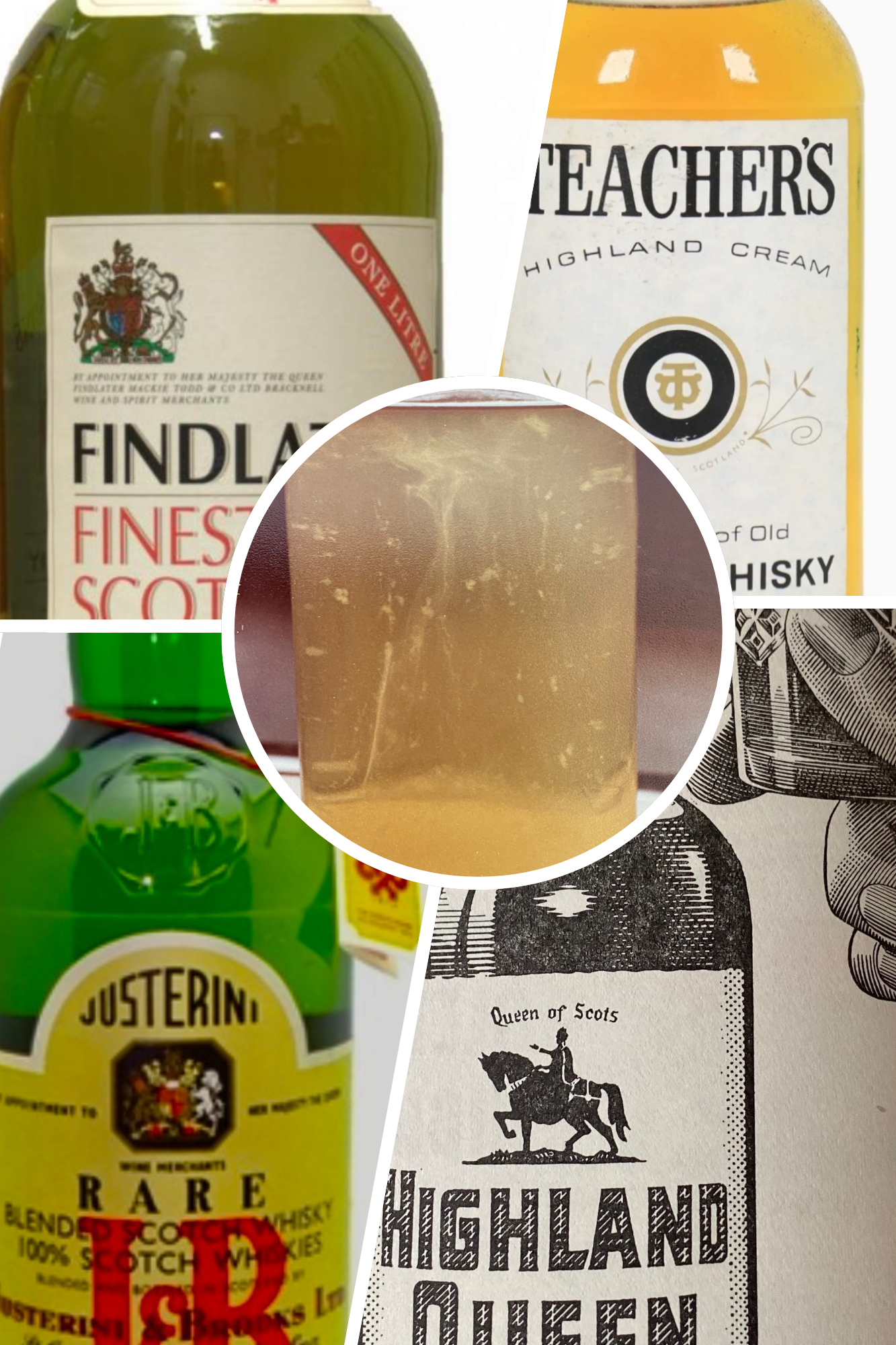
In 1974, Jim became a founding member of Pentlands Scotch Whisky Research Ltd (PSWR), leading research programmes that developed industry understanding of fermentation, distillation, and maturation during a period of modernisation.
Read More →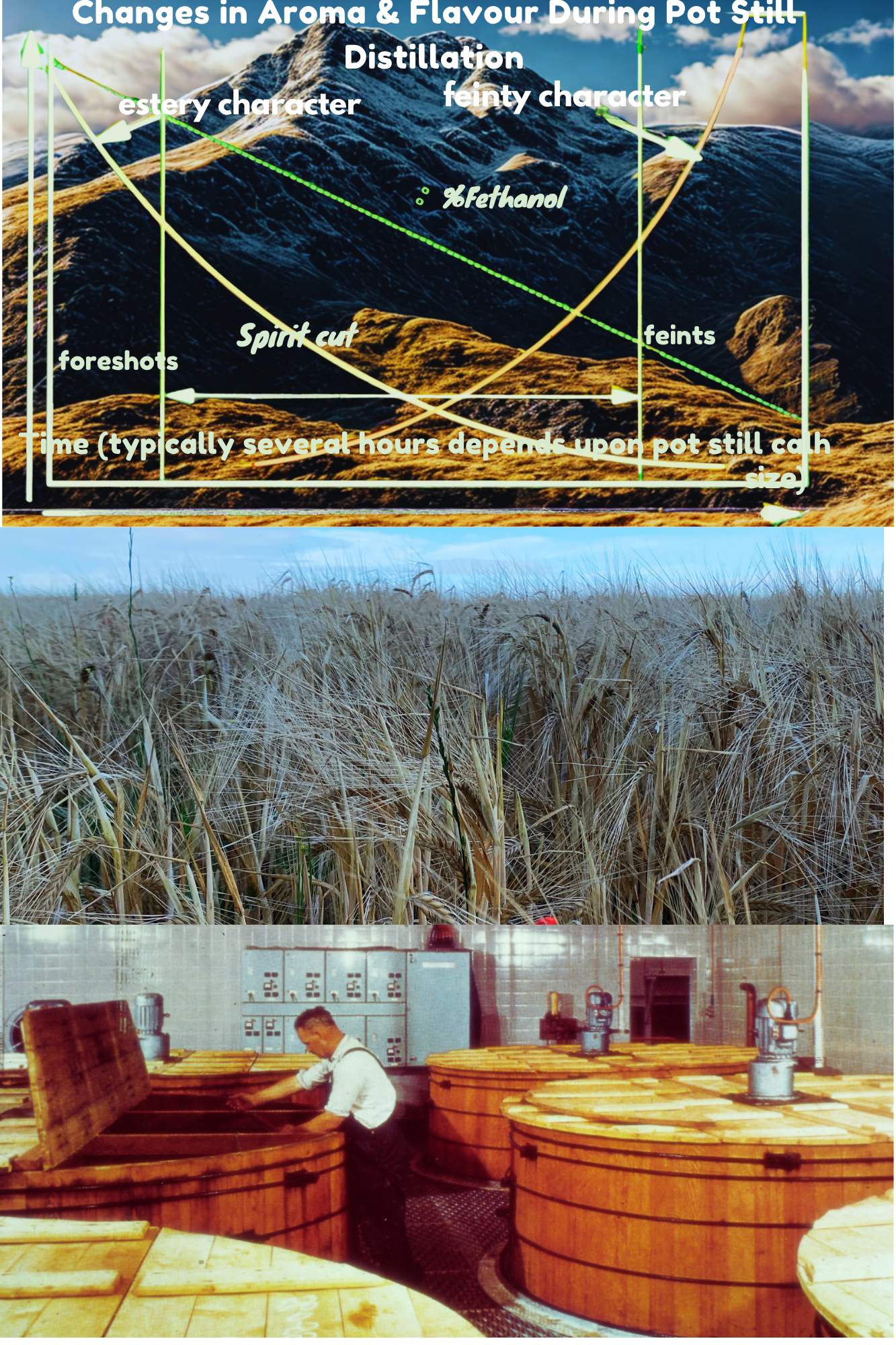
Jim co-invented the first Whisky Flavour Wheel with Paul Rickards, George Shortread, and Sheila Burtles. This tool established a standardised descriptive language for whisky assessment and became an industry standard.
Read More →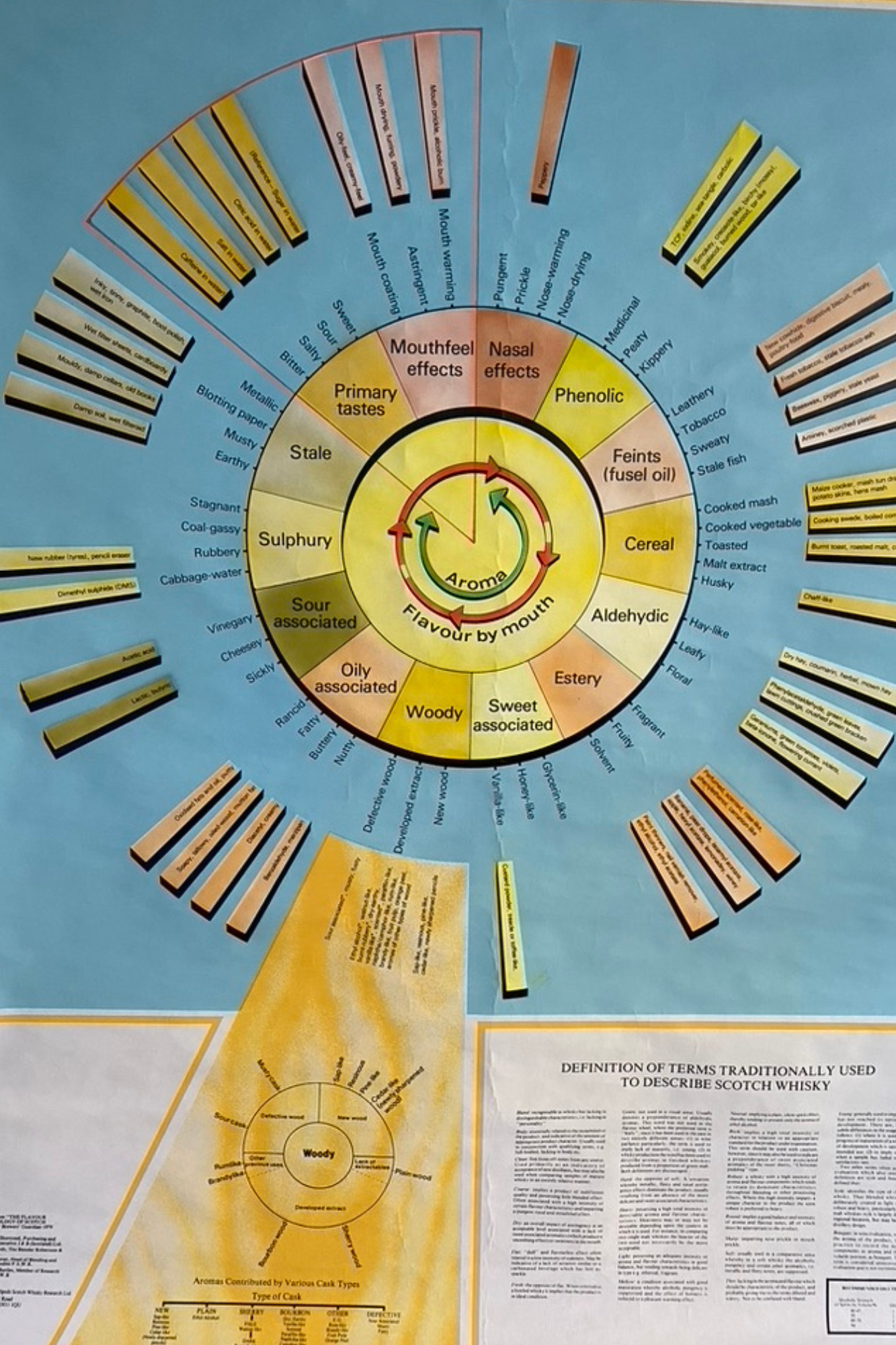
Jim presented PSWR's findings at conferences of world experts in flavour science in Athens and Helsinki, participating in international advances in sensory research and analytical chemistry. His presentations at these conferences established him as a contributor to whisky science alongside leading researchers from Finland, the UK, and beyond.
Read More →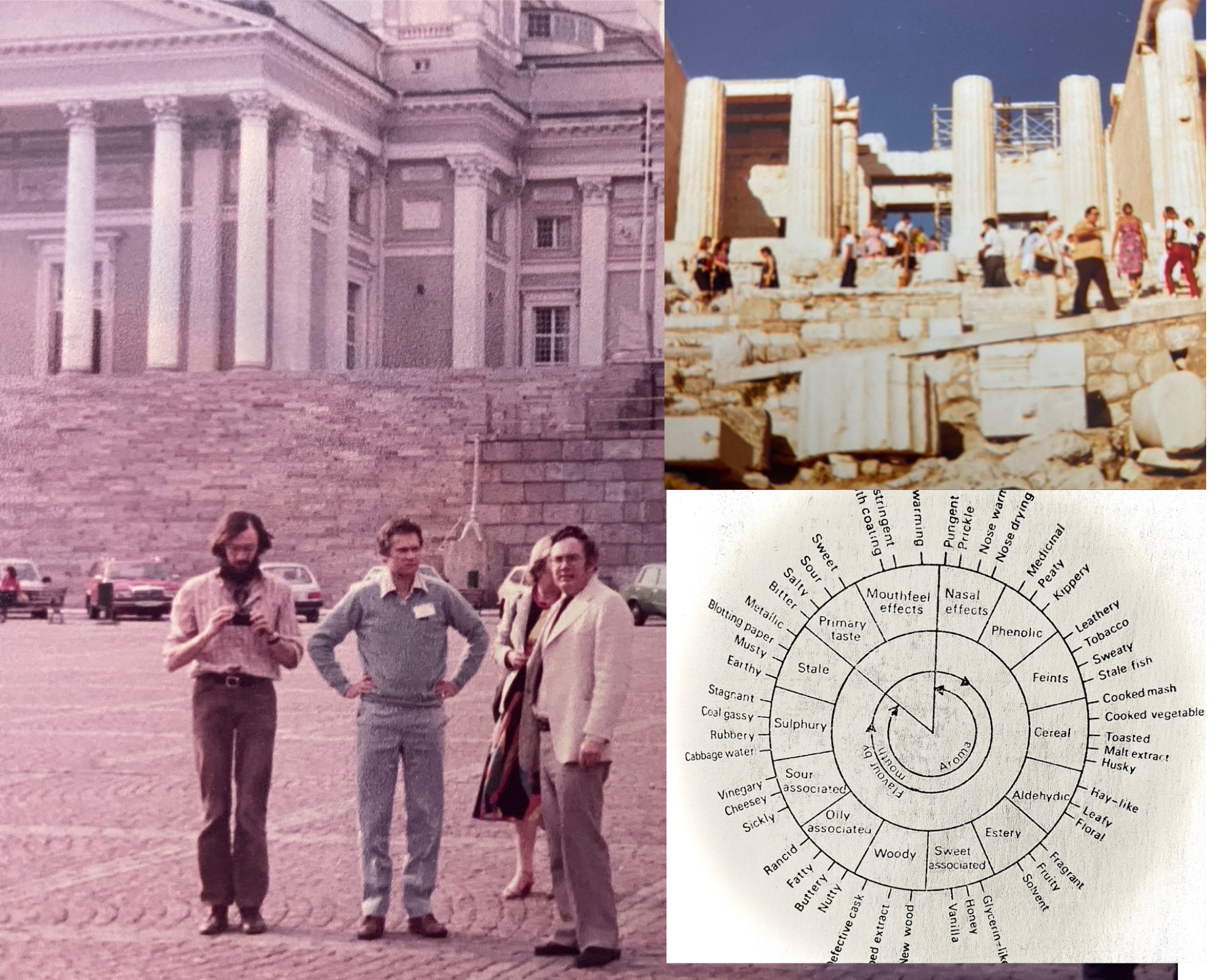
Jim attended a NATO Advanced Study Institute on Chemometrics, an intensive 10-day course bringing together 60-80 scientists for instruction from international experts in multivariate analysis, pattern recognition, and data preprocessing.
This training provided Jim with statistical techniques for analysing complex whisky datasets—methods that became central to his ability to predict flavour outcomes from chemical analysis and improve quality control in whisky production.
Read More →NATO Advanced Study Institute - Chemometrics training in whisky analysis
The decade opened with a crisis: bourbon production collapsed from 182 million litres in 1981 to just 102 million in 1986, threatening Scotch whisky's dependence on used bourbon barrels. Jim's research took him to the USA to study cooperage practices, American oak forests, and bourbon maturation facilities.
His investigation covered American white oak (Quercus alba) characteristics, cooperage processing, charring techniques, and the chemical transformations during bourbon ageing. In 1988, he completed his PhD at Heriot-Watt University on "Wood Extractives in Relation to the Maturation of Scotch Whisky."
Read More →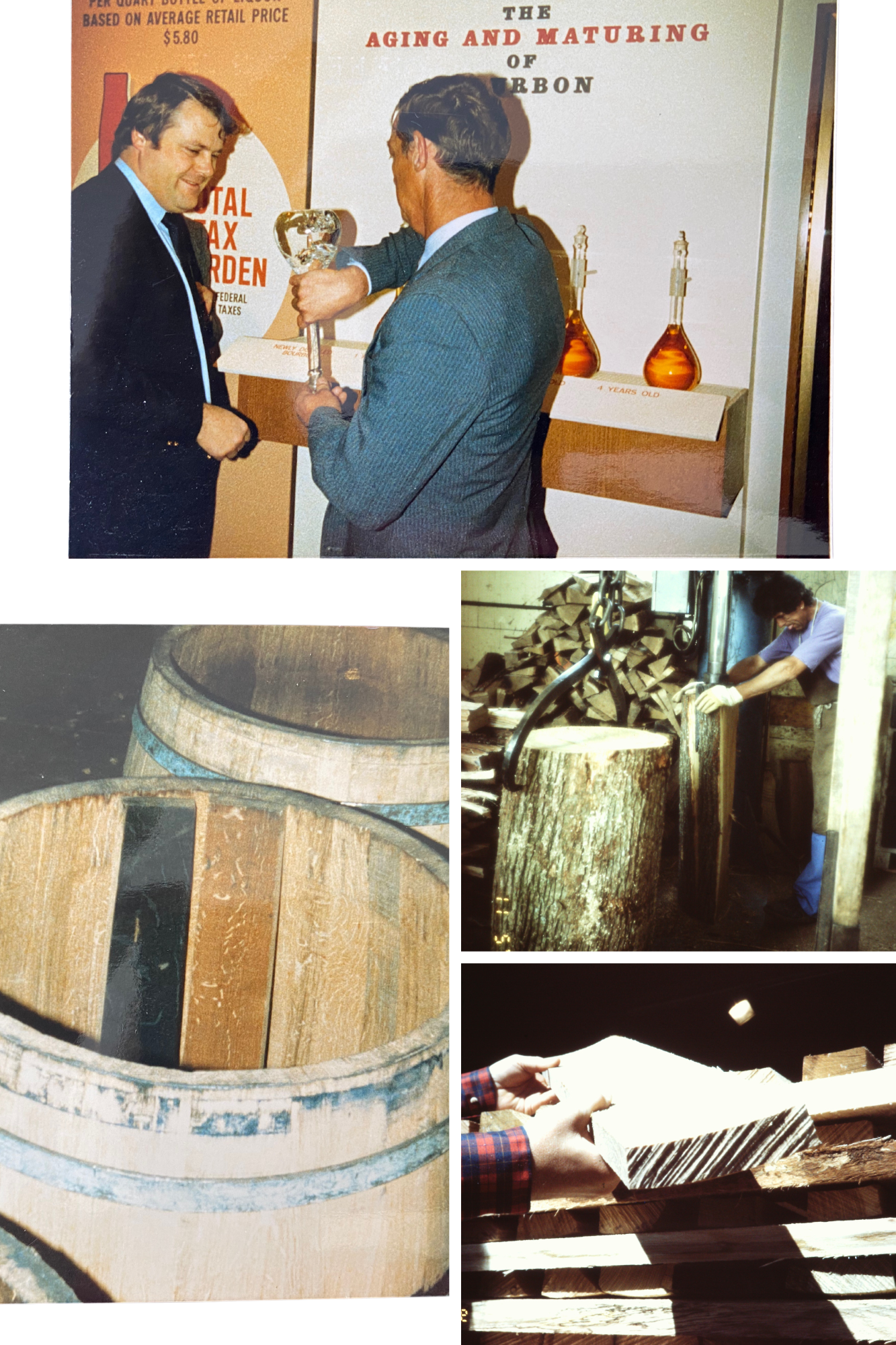
During Jim's career from 1966 to 2016, the sherry trade transformed considerably. British consumption continued a decline from its Victorian heights, Spanish producers adopted stainless steel over oak, and new regulations mandated bottling at source. The transport cask supply that had sustained Scotch whisky for over a century was disappearing.
Jim travelled to bodegas in Spain and Portugal to understand what was being lost. His investigations revealed that fortified wine styles, cooperage methods, and oak species created considerable differences in maturation outcomes.
Read More →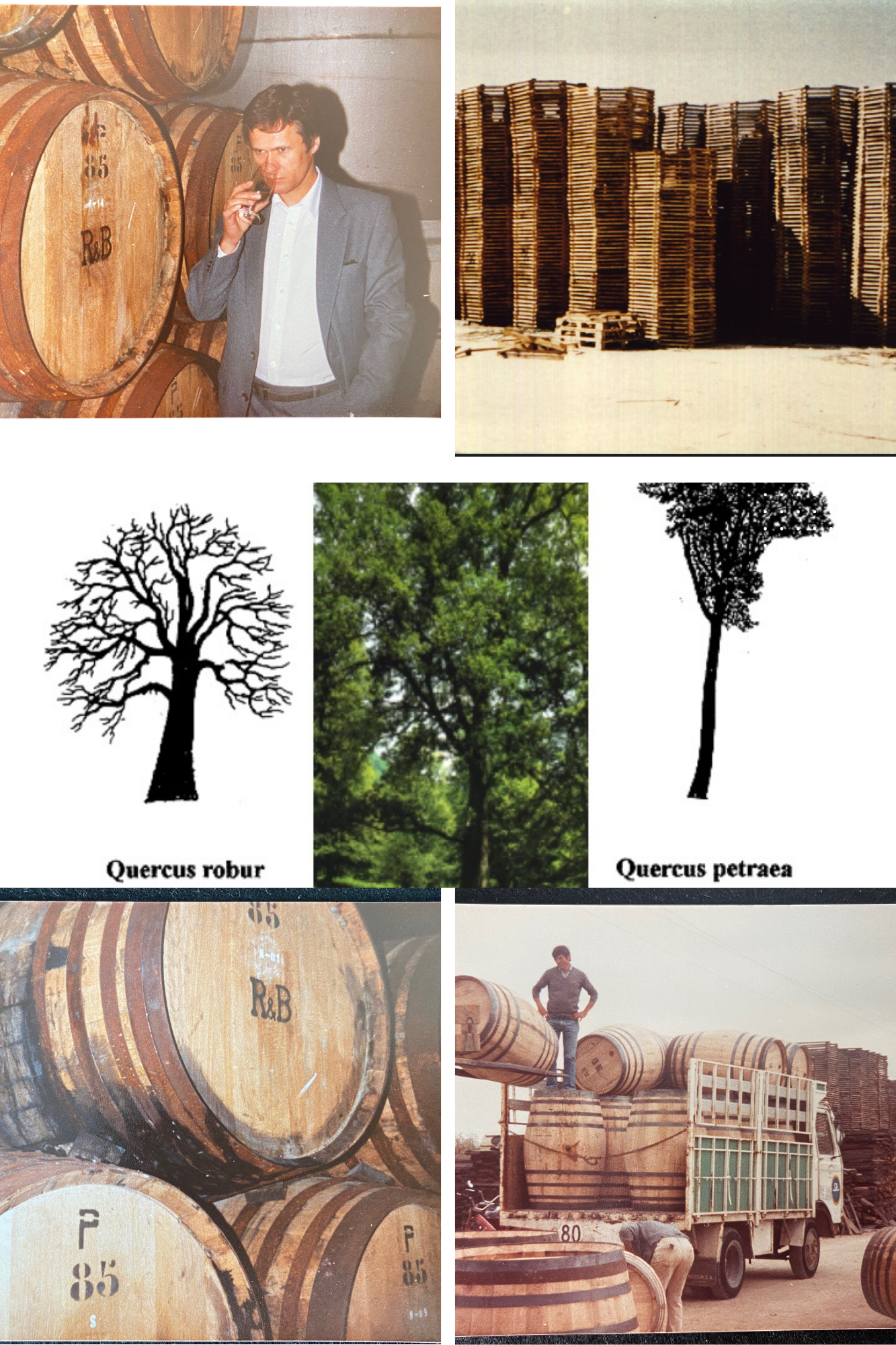
In 1993, Jim left Pentlands Scotch Whisky Research to start a research project with Independent Stave Inc., the world's largest barrel manufacturer founded in 1912. This partnership allowed him to continue his wood and maturation research on a global scale, building on his foundational 1980s work.
Read More →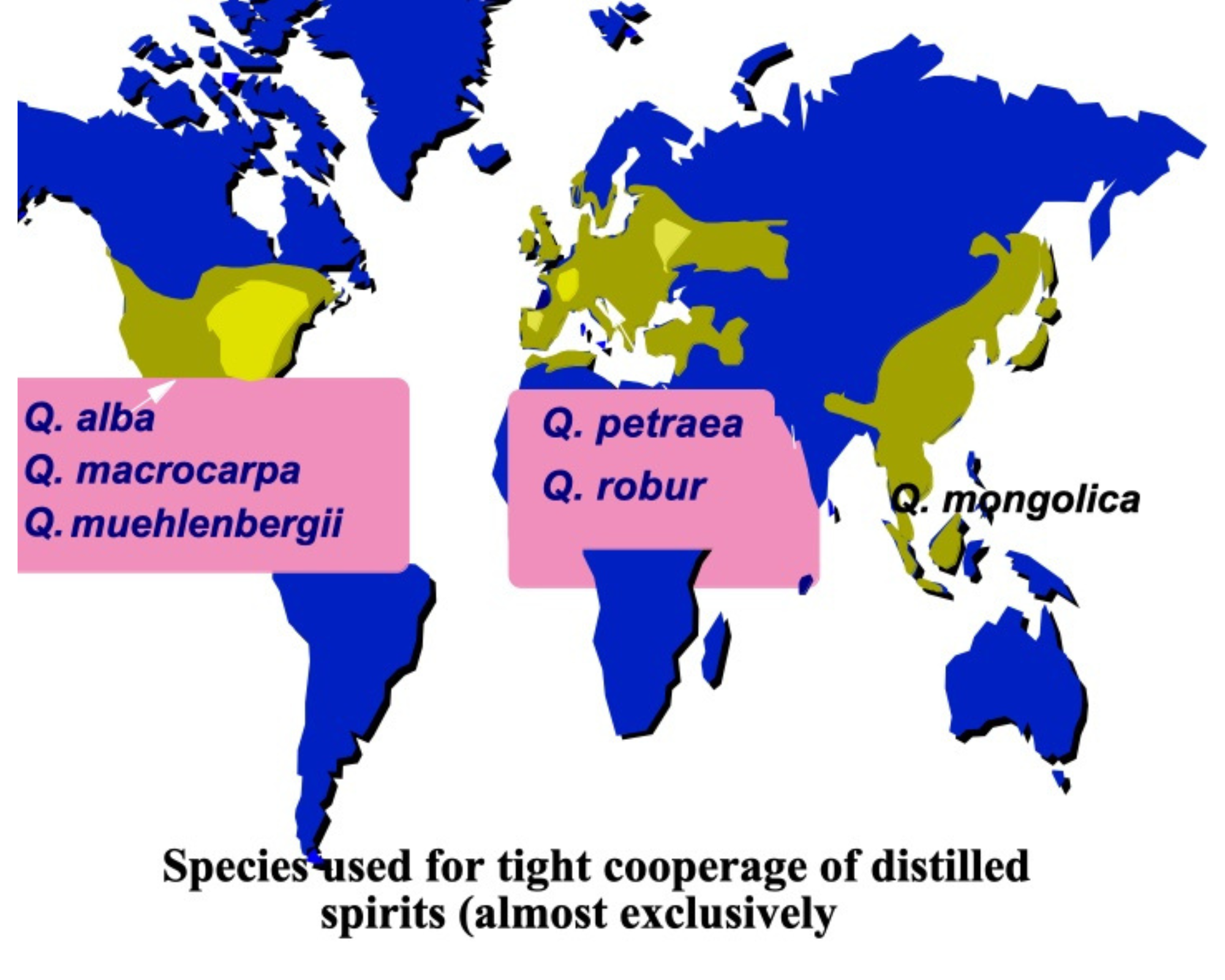
Jim developed the STR (Shaved, Toasted, Re-charred) cask rejuvenation process, enabling distilleries to extend cask life while creating unique flavour profiles. This became one of his notable innovations.
Read More →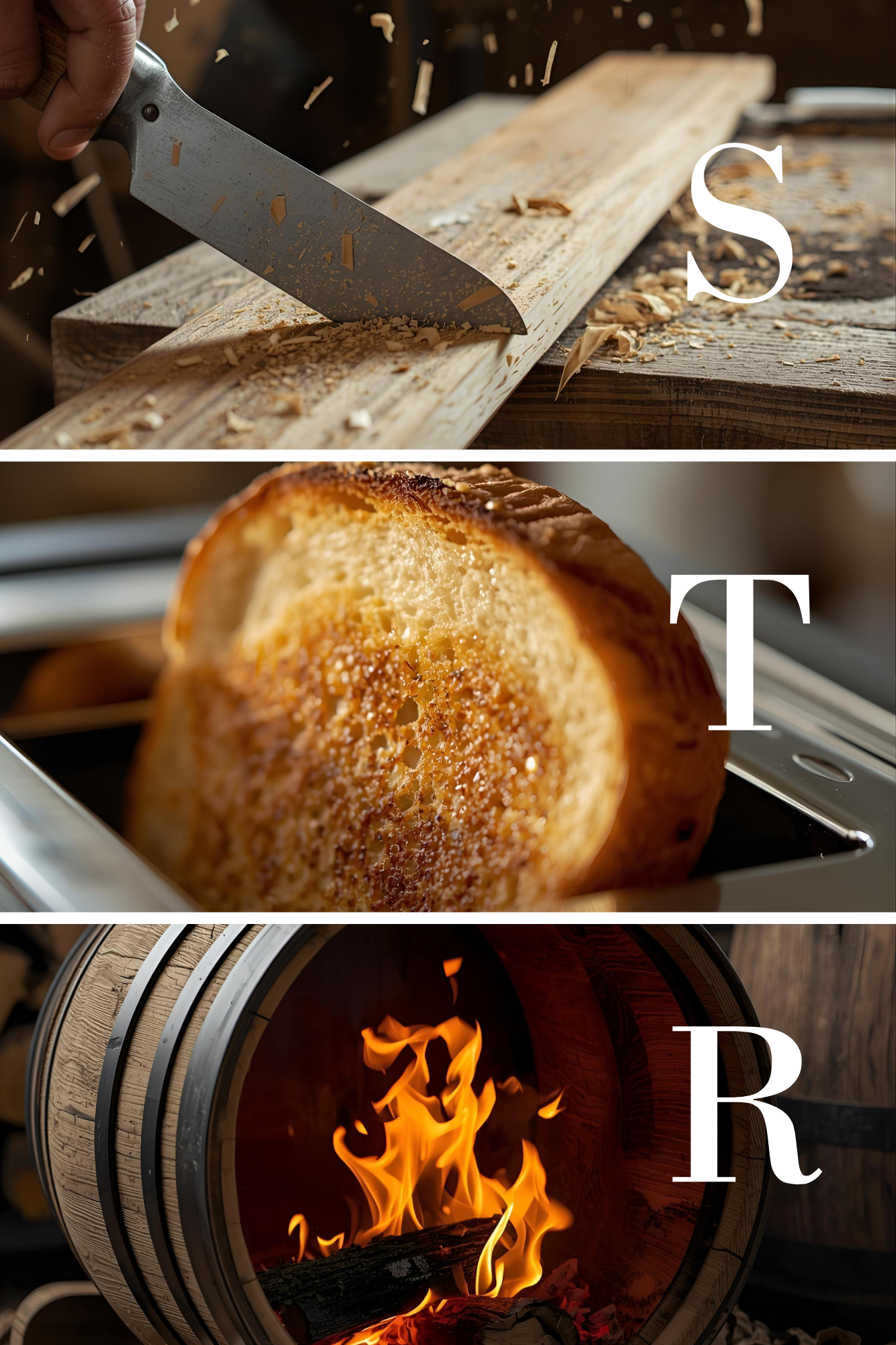
In 2002, Jim founded his own independent consulting firm, beginning his most productive period working with new distillers around the globe. Over the next fifteen years, he worked with distilleries on every continent.
His client list included Kavalan (Taiwan), Penderyn (Wales), M&H (Israel), Kilchoman (Scotland), Amrut (India), and many others. Jim became known for enabling start-up distilleries to produce spirits with maturity and complexity, helping to establish quality single malt production in diverse climates and production environments worldwide.
Read More →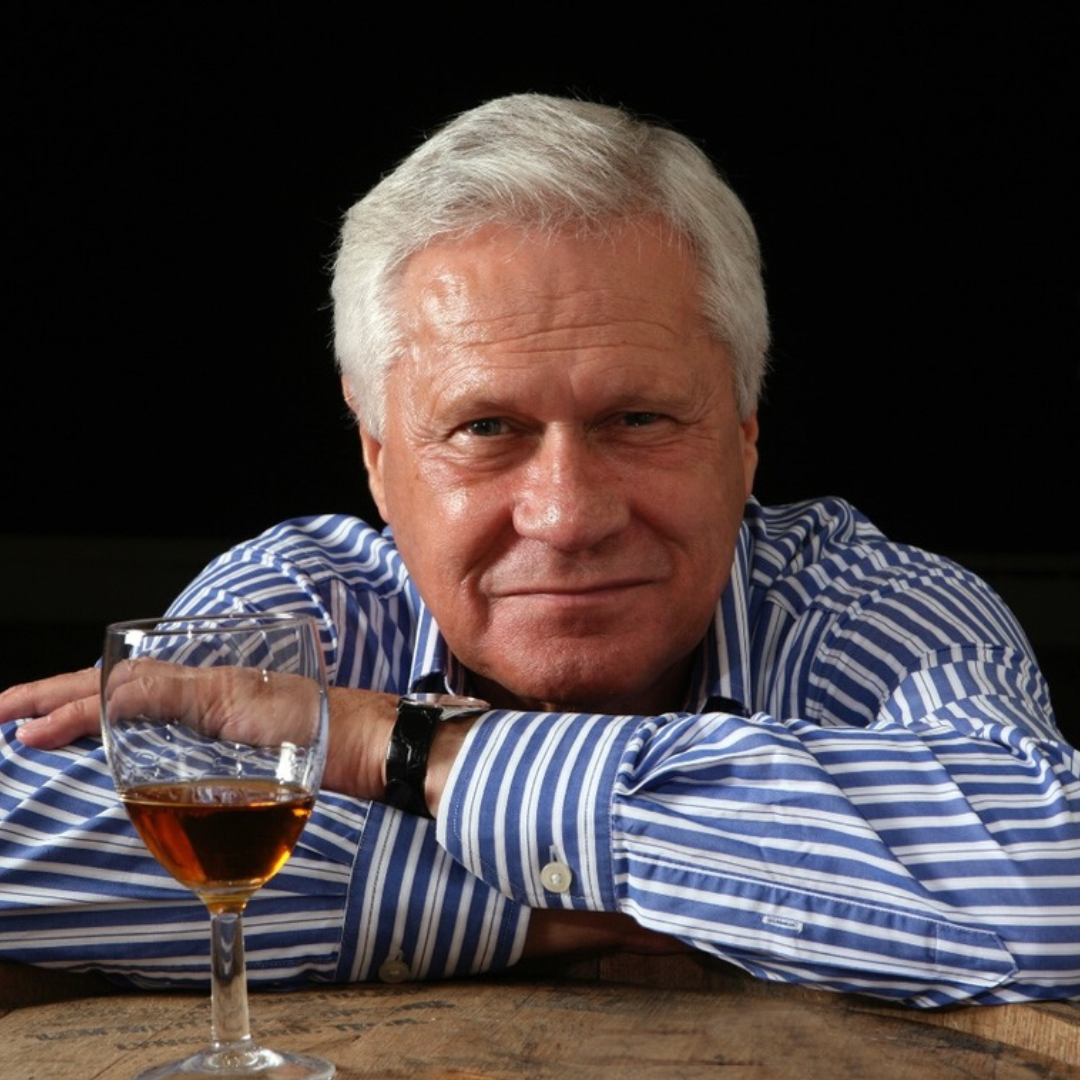
Jim's expertise in hot climate distillation became well recognised. He developed solutions for managing temperature, fermentation, and accelerated maturation, demonstrating that diverse climates could produce quality whisky with appropriate scientific understanding.
Read More →
Jim was featured on the first episode of WhiskyCast (2005), became a Fellow of the Royal Society of Chemistry and Institute of Brewing and Distilling, and was posthumously honoured with The ISC Lifetime Achievement award and The Dr Jim Swan Award for Services to Scotch Whisky (2017).
Read More →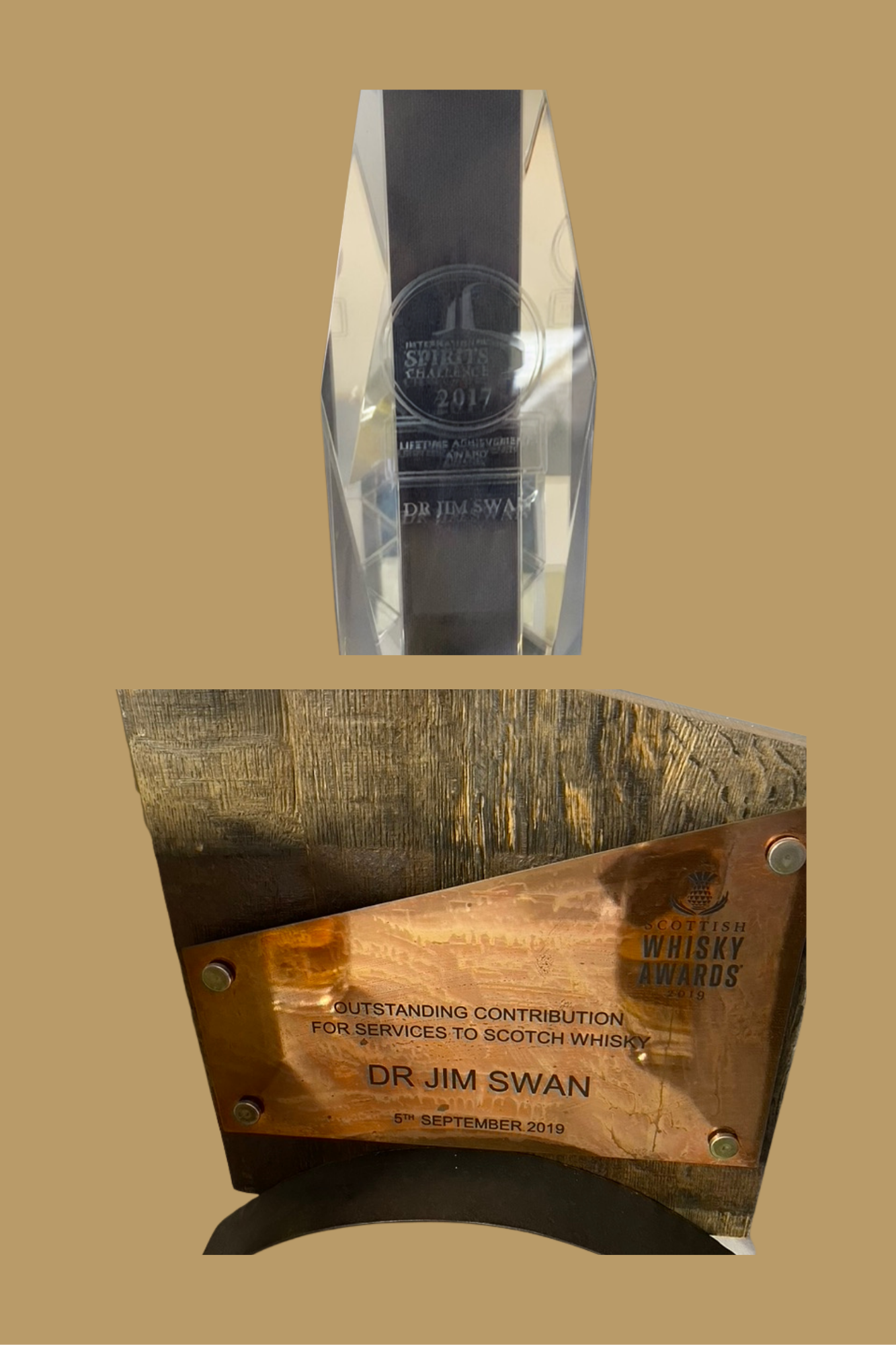
Dr Jim Swan's work helped advance whisky from traditional craft practices towards scientifically-informed production methods that could be applied across diverse climates and production environments. His contributions supported the global expansion of quality single malt whisky production, with thirty-two countries now producing whisky using methods informed by scientific research.
His contributions to whisky science, from the flavour wheel to STR cask rejuvenation to hot climate distillation techniques, continue to benefit distilleries and whisky enthusiasts worldwide.
"He believed in whisky. More importantly, he believed in its future, no matter where in the world it was being made."
— Dave Broom, whisky writer